
The journey in Africa between architecture and cities
Every generation has its pyramids to build[1].
(Ki-Zerbo, 2008).
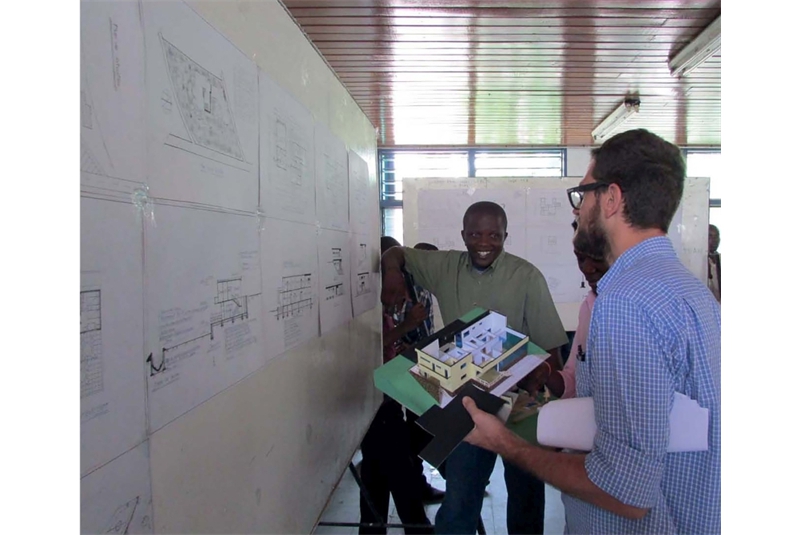
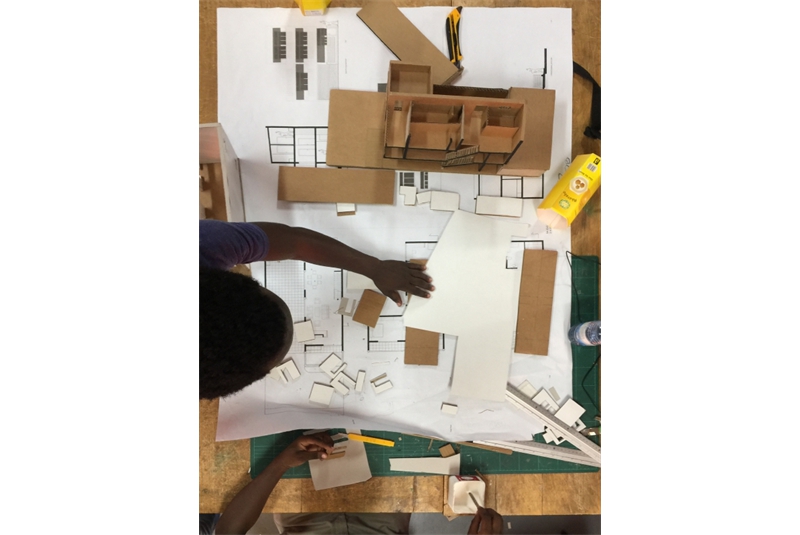
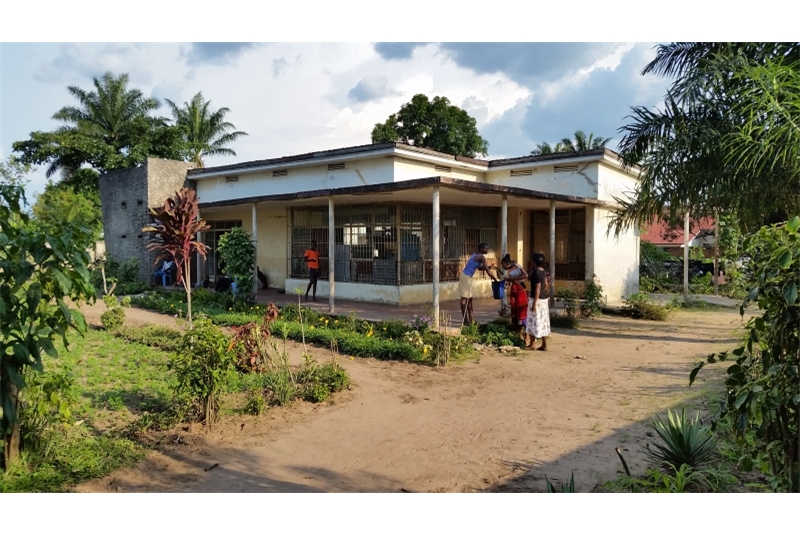
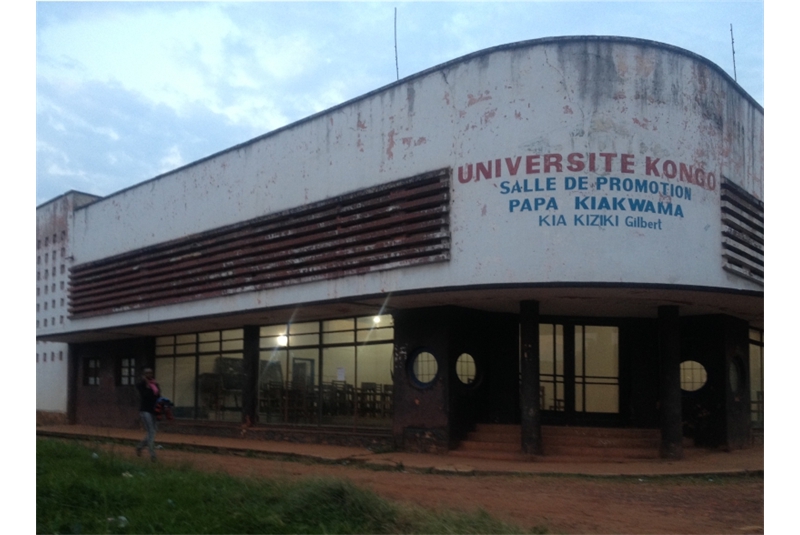
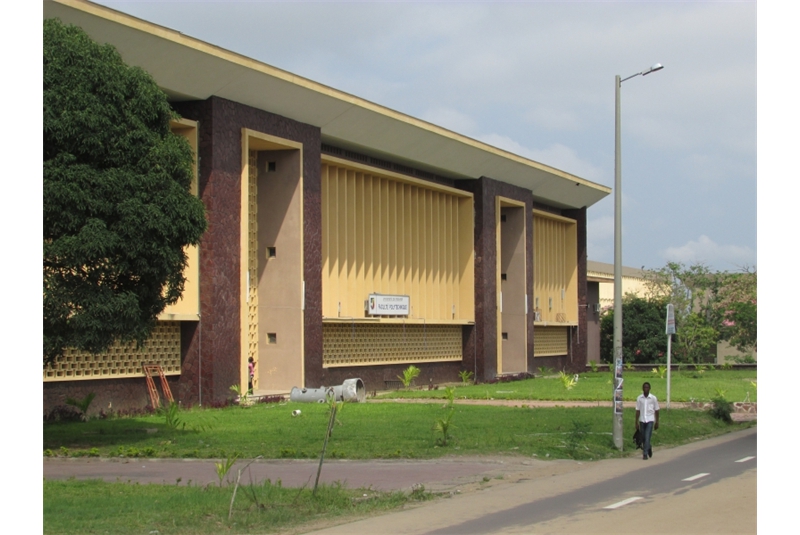
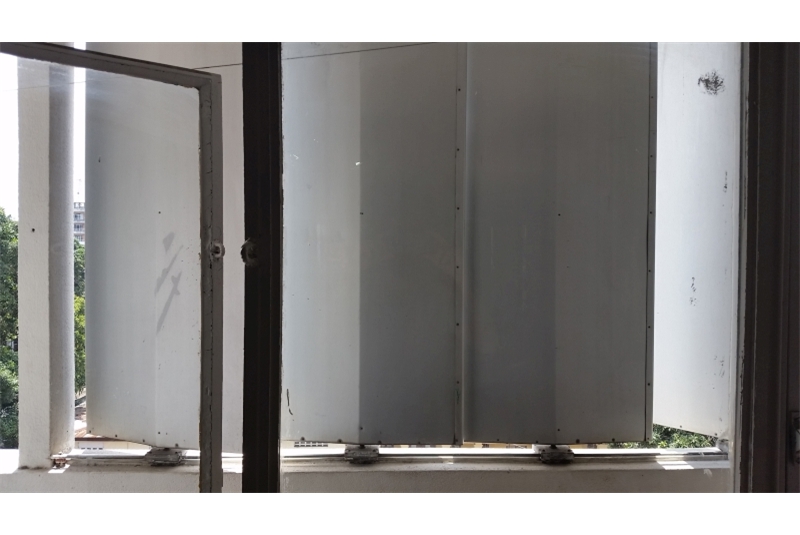
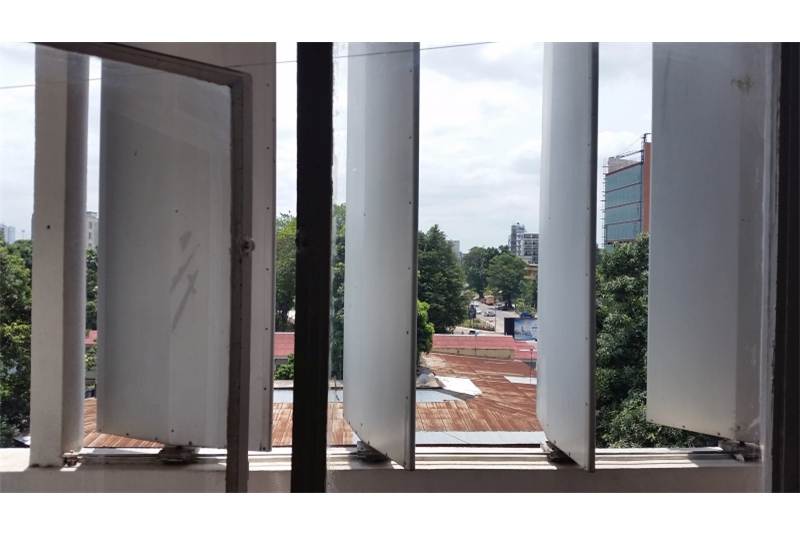
My interest in the city and tropical architecture arises from the work carried out over the years as a professional and an academic in Burkina Faso, the Democratic Republic of Congo (Fig. 1) and Rwanda (Fig. 2), to which are added brief experiences in Ethiopia and Sudan. In particular, the years spent in Kinshasa and the Congolese provinces have allowed us to grasp aspects and implications that persist as a source of inspiration and research. The teaching methodologically based on precise disciplinary references has been enriched over time by rediscovering tropical modernism and its constructed epiphanies (Fig. 3-5). A journey through the African continent that continues today, in Egypt, to rediscover the origins of architecture in its most general meaning. Ernesto Nathan Rogers defined the journey as “building material”, material to progressively build an ideal “way” that corresponds to the architect’s experience, like a formwork that makes the construction of the arch possible and, once its mission is accomplished, disappears, continuing to support the stones of knowledge as described by Carlos Martí Arís:
Suppose I have learned something after so many years dedicated to these issues. In that case, any attempt at theoretical construction in our field must, from the beginning, assume an auxiliary role, a secondary condition, subordinate to the works, which are the authentic custodians of knowledge in architecture as in any other artistic activity. This auxiliary character that I attribute to theory in the field of art does not diminish its importance in the least, nor does it deny its decisive value. It is like the formwork that makes the construction of the arch possible: once its mission is accomplished, it disappears and does not enter the perception we have of the finished work, but we know that it was an obligatory and essential step, a necessary element to erect what we now see and admire (Martí Arís, 2007).
The journey is intrinsically linked to experience because through the known, the already known, we are destined to capture the unknown, a sort of archaeological investigation of the tropical heritage. The need to live and work in symbiosis with the context, outside and inside the university, has influenced the research and studies shared over the years with colleagues, particularly with students. Architectural design and composition workshops and the preparation of history and theory courses linked to the tangible and intangible context have allowed an in-depth investigation of specific local themes. The rediscovery, on the one hand, of the origins of the tropical city and, on the other, of the precursors of a contextualised architectural language must help revive interest in the way of doing that of the modern movement, too hastily catalogued as obsolete but which in reality represents a solid basis for present and future knowledge.
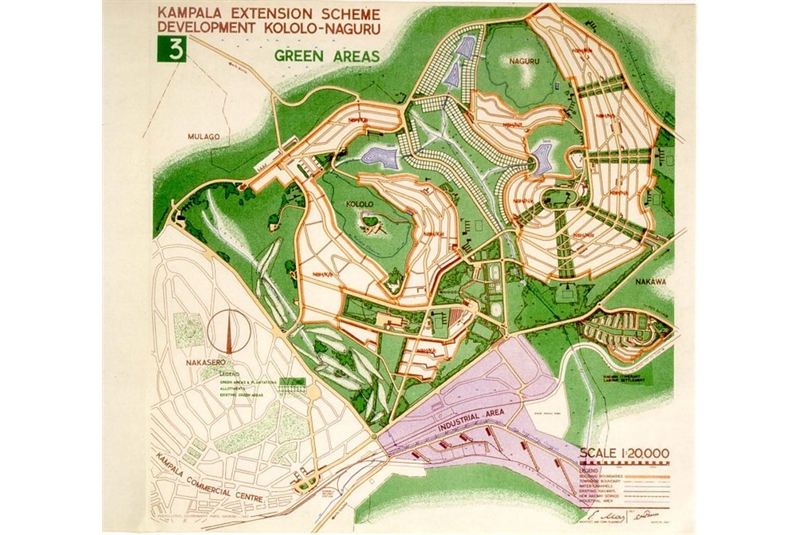
The city is built over time (Rossi, 1966) and grows on itself, stratifying and articulating itself along its “permanences”. Therefore, the African tropical city does not exist as a total invention but rather as a rediscovery of the existing and its context, both built and unbuilt, in the belief that knowledge of the recent past can lead to future “pyramids”. Ancient Africa had various examples of cities, and recent archaeological discoveries have shown that indigenous urbanisation became possible thanks to the introduction of agriculture and the consequent model of sedentary life (Coquery-Vidrovitch, 1995). The urban phenomenon has not been imported tout court over the centuries but is an intertwining and converging of different Indigenous contributions with the new. The work of Ernst May, for example, as an urban planner in Uganda and Kenya reflects precisely this need to make the idea of the development of the city by satellite nuclei, Trabantestadt, coexist with the urban tradition and the forms of indigenous settlement (Michieletto, Olatunde and Bay, 2019). The plans for the expansion of Kampala (Fig. 6) or the drawings for the Port Tudor satellite in Mombasa (Fig. 7) are among the projects the German architect conceived during his African exile.
A tropical story
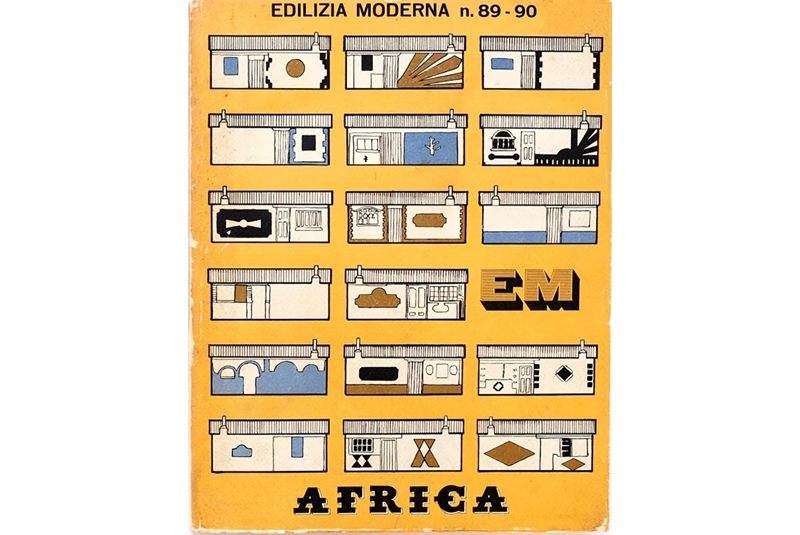
The history of the tropical city in Africa is the history of the architecture of the modern movement on the continent. In Edilizia Moderna[2] issue 89-90 of 1967 [Fig. 8], the echoes of this architectural language are recounted in the form of a register of projects that, at different latitudes, had ferried the colonies towards Independence. A theme that had aroused the interest of Kultermann (1963), who, with Neues Bauen in Afrika, had provided an initial account of it. The recent book African Modernism: The Architecture of Independence. Ghana, Senegal, Côte d’Ivoire, Kenya, and Zambia (Herz et alii, 2022) have lifted the veil of oblivion that covered the architecture of tropical modernism for several decades. The progressive aftermath of this precise act of architecture is still recognisable today, even if jeopardised by an anti-modern or anti-historical movement that recognises in urban facts and in the city itself pure objects of the past from which to break away. Furthermore, the architecture of the tropical town is essentially the city of tropical modernism since many of the historical buildings can be placed in that architectural chapter of the first half of the twentieth century (Folkers and Van Buiten, 2010). Today, we can define permanence amid the urban delirium that afflicts the city’s construction. These urban artefacts take shape and are structured through urban plans to re-establish an architecture-city relationship that is not oblivious, as mentioned, of the surrounding environment in its various forms. The aim was to stimulate a reflection on the architectural project through the declinations that this language could assume in the African continent’s tropical belt, both about individual buildings and the urban composition. As Hassan Fathy taught us, architects, architecture, and cities could not exist if not in those places. This tells us an urban story whose reading begins with its planning or from the knowledge and conception of the city as a project (Aureli, 2013).
Manuals on Tropical Architecture in Africa
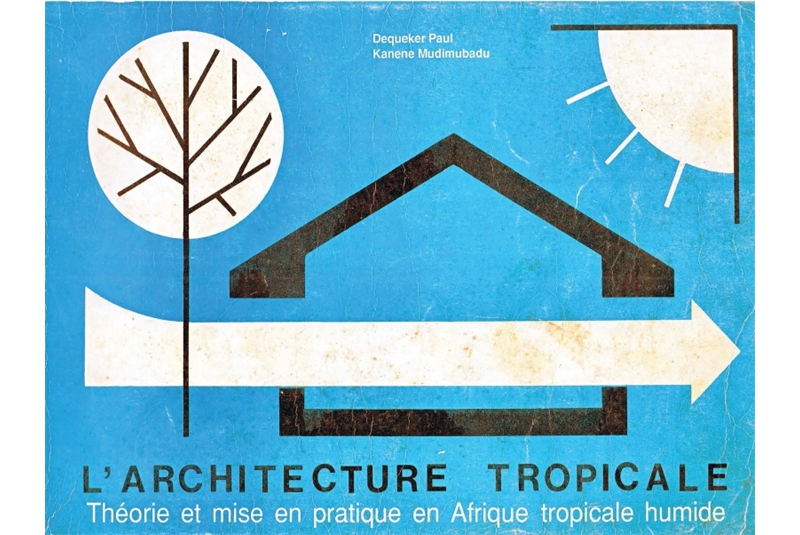
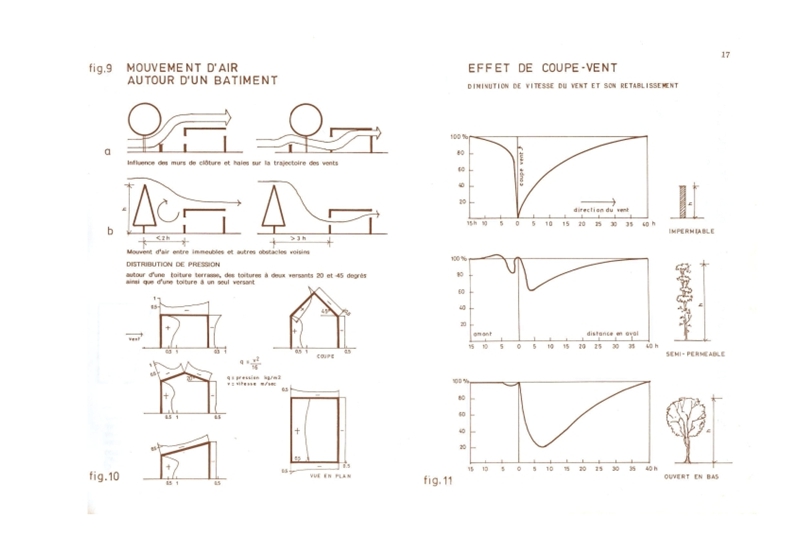
In the introduction to the first volume of the Oeuvre Complete 1910-1929, Le Corbusier published a letter sent in 1936 to a newly formed group of modern architects in Johannesburg, the “Transvaal group”, expressing his amazement at the architectural commitment devoted to the search for a new sensibility far from Europe. A little less than two thousand years earlier, Pliny the Elder, in Naturalis Historia, cites the Greek proverb according to which something new always arrives from Africa -ex Africa semper aliquid novi. Pliny narrates the discovery of a metaphor for nature, that of Africa, which is always made of the same elementary things but composed differently because they are suited to another context. We have tried to collect contributions investigating the rhetoric of tropical modernism. This architectural language translates into the rediscovery of elements of the indigenous art of building as neologisms of common knowledge translated to different latitudes. The English architects Maxwell Fry and Jane Drew are famously considered the proponents of this language thanks to their work in the former British colonies of West Africa. Their text Tropical Architecture in the Dry and Humid Zones (Fry, Drew, 1964) is the forerunner of a series of manuals on construction in tropical zones: Village Housing in the Tropics with Special Reference to West Africa (Fry and Drew, 1974), Manual for Tropical Housing and Building (Koenigsberger et alii, 1974) and Design with Climate Bioclimatic Approach to Architectural Regionalism (Olgyay, 1963). In 1992, the first work dedicated to tropical architecture in Central Africa was published in the Republic of Zaïre: L’Architecture Tropicale. Théorie et mise en pratique en Afrique tropicali humide [Fig. 9]. In the first paragraph of the introduction, the fundamental question for a correct reading of the buildings is posed; that is, it is a question of defining an architectural grammar appropriate to the context:
We have tried to define an architectural grammar capable of uniting twentieth-century technology with the region’s conditions, the local materials and construction techniques available, the human scale, and the climatic and geometric rigour (Dequeker and Kanene, 1992).
The book by Dequeker and Kanene describes and illustrates exhaustively and integrally the construction process in the Congolese humid tropical Africa: climatic approach, wind and ventilation, concealment or solar protection, protection against heat transmission and natural lighting. This climatic problem, connected with the composition of the constituent parts of the buildings, has given birth to an identity. This identity must remember that simple life forms are the closest to perfection. Field research for architecture linked to climate and place leads, therefore, the language of the modern movement to align itself with the context. The language reinvents or rediscovers the contemporary in a tropical key by giving it local but not necessarily vernacular connotations. The identity of the place is found expressed in the artefacts using materials and with the epiphany of an architectural grammar composed and regulated by a few but precise principles capable of providing adequate protection. These principles are also pretexts for creating a set of construction details aimed at optimising the use of these two natural elements, the sun and the wind, to which the relationship with local tradition must be added. Vitruvius himself remarked how the place affected the shape of the building and how, conversely, the construction influenced the surrounding site. In Vitruvius’s words, the most relevant aspects of the project and construction concern the choice of the place, the climate and the landscape. Since its very beginning, the architecture of Sub-Saharan Africa has been linked to the question of the place and the question of building the city in an environment not accustomed to being urban. The towns built between the 19th and 20th centuries are sometimes real foundation projects that, from small agglomerations and even, in some cases, single outposts, are transformed into metropolises that have now risen to the rank of uncontrollable megalopolises in the urban planning news.
An emblematic case like Kinshasa, known as Léopoldville until 1960, represents the evolution of a village along the banks of the Congo River that, in little more than a century, transforms into the capital of a new country until it transforms into a megalopolis, where the polis disappears and becomes only a megalo. From the projects of the pioneers through tropical modernism to the unbridled eclecticism of the last decades, this type of city has lost its identity and, consequently, its recognisable and transmissible form.
The Tropical Language of Architecture
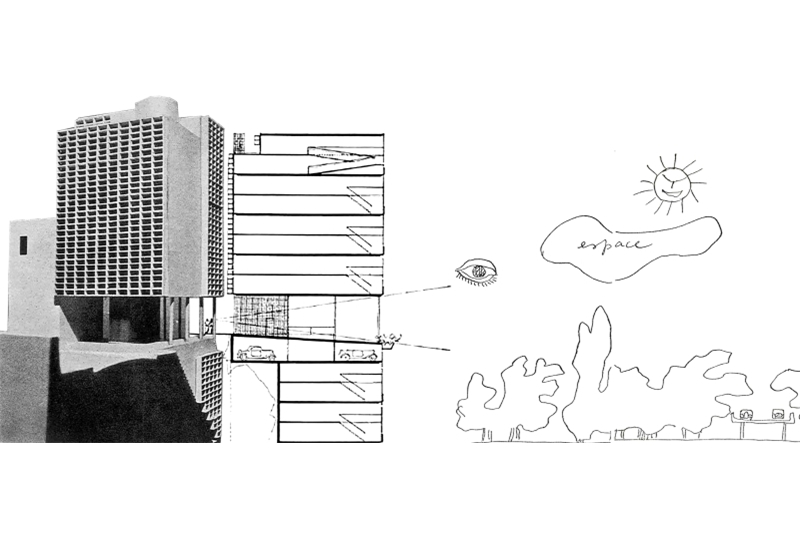
In The Classical Language of Architecture, John Summerson (1963) defines the parameters that classify architecture as classical. As a codified language, Tropical architecture finds its identity declined according to the different geographical contexts north and south of the Equator. Its African decline developed from the western region and subsequently spread up to the post-independence period to the rest of Sub-Saharan Africa (Uduku, 2006). The approach to tropical architecture is characterised by observing a few simple principles. The first step is to carefully study the project site by providing the correct orientation[3] to the building. In tropical Africa, orientation is a determining factor for thermal comfort. Usually, the arrangement of the internal spaces of the building along the east-west axis is favoured, with the north and south facades less exposed to direct solar radiation (Olgyay, 1963). Another critical factor in orientation is the distance from the equator, which allows us to know the inclination of the sun during the day so that we can equip the building with adequate and appropriate protection devices. However, even the walls exposed to the east and west, sunny in the morning and afternoon, respectively, must be protected and insulated so that the heat is not transmitted inside. The roof, more exposed to the sun during the day, must be able to reflect the heat, also providing an adequate distance from the ceiling to ventilate constantly. In humid tropical climates, it is also advisable to arrange the buildings in such a way that they exploit the prevailing winds as a natural resource capable of cooling the internal spaces. The tropical decorative apparatus consists of those architectural elements peculiar to the modern language adapted to the context: canopies to increase the protection of the façade, vertical or horizontal slats (brise-soleil), perforated walls, ventilated façades, overhangs to protect the openings, air intakes for cross ventilation and the use of entrances (barza). Shading is a simple method of blocking the sun before it enters the interior spaces of the building. The brise-soleil device, or sun breakers, refers to a permanent solar screening technique: simple patterned concrete walls or aluminium panels (Fig. 10-11), used for the first time in Africa in the Maison Locative Ponsik project (1933) by Le Corbusier (Fig. 12). Another fundamental issue concerns the movement of air inside buildings, the goodness and effectiveness of which also lies in the distance between the artefacts and their height (Fig. 13). These components are obsessively repeated in a sort of rational mannerism capable of harmoniously adapting the project to the existing environment. “The revolutionary force of the past”, as Pier Paolo Pasolini[4] said, unfortunately, seems to have been lost in the contemporary tradition of other references, detached from the context, not the result of carefully reading the genius loci.
The contributions
The articles have brought to light the architectural and urban experiences through research that can provide a key to understanding the cities history and development. At the same time, they refer to the work of architects who have consolidated a specific modus operandi in the countries of Sub-Saharan Africa, which time and oblivion have not affected and to which only the famous work can give adequate recognition. The texts proposed a rich critical analysis that reflects historical practices and the contemporary challenges of a complex and dynamic environment. The first contribution, “The other modernity of Demas Nwoko. An alternative form of climate thought” by Flavia Vaccher, explores Nwoko’s innovative approach, a synthesis between tropical architecture and local Nigerian tradition, which distances itself from the classical canons of modernity to adopt a more contextualised and experimental form. “A Manual Continent: Taxonomies of Contradiction in Postwar Africa” by Filippo De Dominicis and Jacopo Galli analyses the use of postwar architectural manuals, highlighting how they contributed to a contradiction inherent in modernisation between localism and forms of collective control through the analysis of three famous works. The third contribution by Daniela Ruggeri, “André Ravéreau, projects in Sub-Saharan Africa. Transpositions and syntheses between the north and south of the Sahara”, delves into the transition of modernist influences from the North to the South of the Sahara.
Ravéreau, a student of Auguste Perret, applies the experience learned in the M’Zab Valley to his projects in Mali, Mauritania and Burkina Faso, creating tropical architectural solutions firmly rooted in the context. The fourth contribution focuses on the Las Vegas building in Durban, an example of Brazilian modernism adapted to South Africa: “The Brazilian Modern of Crofton and Benjamin in South Africa, Las Vegas and the Creation of a Style” by Silvia Bodei. Here, Crofton and Benjamin develop a specific “style” that combines the forms of the modern with climate adaptation, proposing a unique local residential model. The fifth contribution, “Guedesburgo. Lourenço Marques and the Stiloguedes” by Ester Giani, examines the work of Pancho Guedes in Lourenço Marques in Maputo. The Mozambican colonial city offers a platform for the anarchic expression of architectural languages that merge with the complex urban environment in a work that has left a profound mark on African modernity. The sixth contribution by Anna Irene Del Monaco addresses the “Experiences of Realism and Architecture in Sub-Saharan Africa”, focusing on research and infrastructure projects in Sudan, Ethiopia and Tanzania.
These projects, developed over the last twenty years, seek to combine tropical climate reality with local needs, contributing to constructing an architecture rooted in the context. The seventh contribution, “Modernist Transfers. From Europe to Sub-Saharan Countries” by Michele Caja, explores the impact of European architectural models in Sub-Saharan countries during decolonisation. These projects are often received controversially due to their relationship with local traditions and current social and climate issues. The text on regionalist architecture by Sara Coscarelli, “Critical Regionalism in Sub-Saharan Africa. A new modus operandi to understand the value of the city and its history through modernity highlights a new design approach that seeks to reinterpret popular African architecture through the lens of modernity, breaking with colonialism and valorising local tradition in urban and architectural development. The ninth contribution, “Tropical Modernism in Léopoldville and Delocalization. The Case Study of Marcel Boulengier’s Levanium” by Alexis Tshiunza Kabeya, André Ockerman and Jonathan Nkondi, explores the events related to the construction of the University of Levanium, as an example of decolonisation and indigenisation through architecture and urban planning. Finally, “Participation and Design in the Construction of the Contemporary City” by Lucio Valerio Barbera recounts the integrated design experience in Togo during the Seventies.
The text underlines the importance of studying urban settlements in developing areas as an essential tool for understanding the challenges of modern cities. As a result, an interview with Prof. Mudimubadu Kanene, co-author of the manual mentioned above, L’Architecture Tropicale. Théorie et mise en pratique en Afrique tropicalia humide (1992) together with Paul Dequeker. In addition to representing the Democratic Republic of Congo at UN-Habitat, Kanene continues his professional and teaching activity at the Department of Urban Planning at ISAU[5] in Kinshasa. These contributions offer a fascinating and detailed overview of how Sub-Saharan Africa’s architecture and urban planning have evolved. They trace a path marked by the tension and dynamism of resistance and adaptation, tradition and modernity, local and global, presenting a compelling narrative of architectural evolution.
Notes
[1] The experience in Burkina Faso and more generally in Africa has been and continues to be accompanied by the testimonies of researchers and historians such as Joseph Ki-Zerbo (1922-2006).
[2] Among the authors Paul Dequeker presents case studies of tropical modernism in Zaïre. Publisher: Società del Linoleum, Milan, 1967. (Dequeler, 1960).
[3] The word orient means “to point to the East,” and east comes from the Latin oriente, and indicates the direction from which the sun rises during the equinoxes. Light was born in the east, in the orient, and therefore orientation has been closely connected to the position of the sun since the beginning.
[4] With these words, in 1970, Pier Paolo Pasolini launched a heartfelt appeal to UNESCO: «Ci rivolgiamo all’Unesco, in nome della vera se pur ancora inespressa volontà del popolo yemenita, in nome degli uomini semplici che la povertà ha mantenuto puri, in nome della grazia dei secoli oscuri, in nome della scandalosa forza rivoluzionaria del passato».
[5] ISAU, Istitut Superieur d’Architecture et Urbanisme (Istituto Superiore d’Architettura e Urbanistica) di Kinshasa.
Bibliography
AURELI P.V. (2013) – The city as a project. Ruby Press, Berlin.
COQUERY-VIDROVITCH C. (1995) – “Histoire de l’urbanisation africaine”. Panoramas urbains, pp.13-31.
DEMISSIE F. (2012) – Colonial architecture and urbanism in Africa: Intertwined and contested histories. Ashgate, London.
DEQUELER, P. (1960) – “The profession of the architect in Congo”. Edilizia Moderna, n. 89/90, pp. 123-129.
DEQUEKER P. e KANENE C. (1992) – L’Architecture Tropicale. Théorie et mise en pratique en Afrique tropicale humide. Centre de Recherches Pédagogiques, Kinshasa.
FOLKERS A. e VAN BUITEN B. (2010) – Modern architecture in Africa. SUN Architecture, Amsterdam.
FRY M. e DREW J. (1964) – Tropical Architecture in the Dry and Humid Zones, Krieger Pub. Co, London.
FRY M. e DREW J. (1947) – Village Housing in the Tropics, with special reference to West Africa. Lund Humpheries, London.
HERREL E. (2001) – Ernst May. Architekt und Stadtplanner in Afrika 1934–1953. DAM, Frankfurt.
HERZ M. (ed.), SCHRÖDER I., FOCKETZN H. e JAMROZIK G. (2022) – African Modernism. The Architecure of Indipendence: Ghana, Senegal, Cotè d’Ivoire, Kenya, Zambia, Park Books, Zurich.
KI-ZERBO J. (2008) – Histoire Critique d’Afrique. Ed. Panafrika, Dakar.
KOENIGSBERGER O. H., INGERSOLI T. G., MAYHEW A. e SZOKOLAY S. V. (1974) – Manual of Tropical Housing and Building. Longman Group, London.
KULTERMANN U. (1963) – New Architecture in Africa. Universe Books, New York.
MARTI ARIS C. (2007) – La cèntina e l’arco. Pensiero, teoria, progetto in architettura. Marinotti, Milan.
MICHIELETTO M., ADEDAYO O. e BAY MUKANYA V. (2019) – “African Housing Renaissance: The Case of Gacuriro Valley Satellite Settlements, Kigali, Rwanda”. Urban Planning, 4:3, 265-290.
OLGYAY V. (1963) – Design with Climate Bioclimatic Approach to Architectural Regionalism. Princeton University Press, Princeton.
ROSSI A. (1966) – L’Architettura della città. Marsilio, Padua.
SUMMERSON J. (1980) – The classical language of architecture. Thames and Hudson, London.
UDUKU O. (2006) – “Modernist architecture and ‘the tropical’ in West Africa: The tropical architecture movement in West Africa, 1948–1970”. Habitat International, 30:3, 396-411.