Fig.
1 - L. Mies van der Rohe, German pavilion at the Brussels Expo,
internal view, 1934.
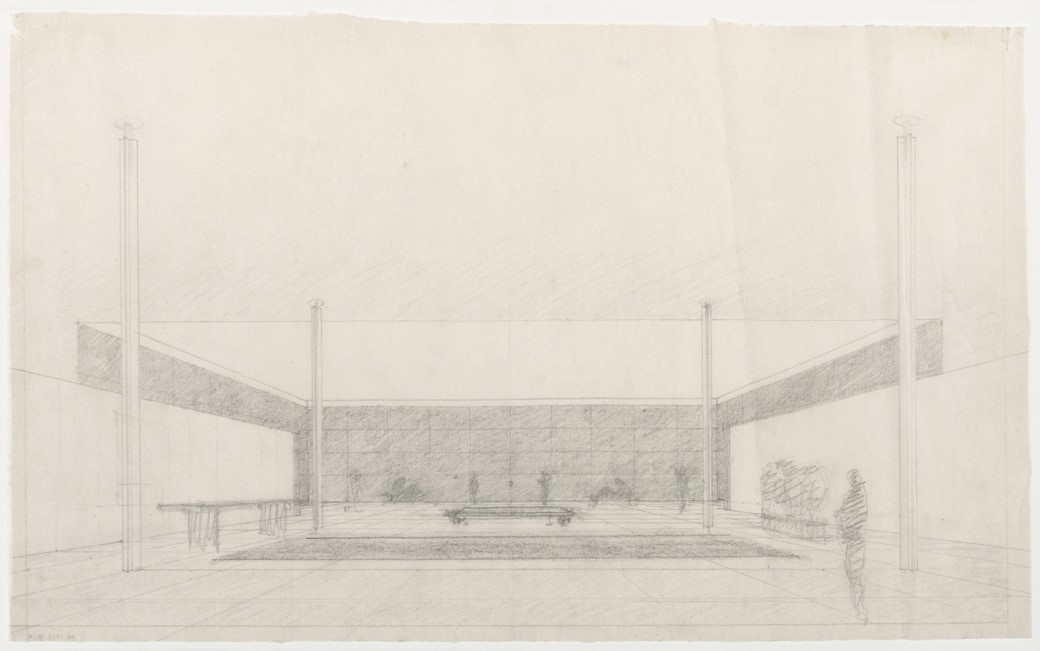
Fig.
2 - L. Mies van der Rohe, Museum for a small town 1940, Bacardi
headquarters 1957, Schaefer Museum 1963 (drawing by C.
Sansò).
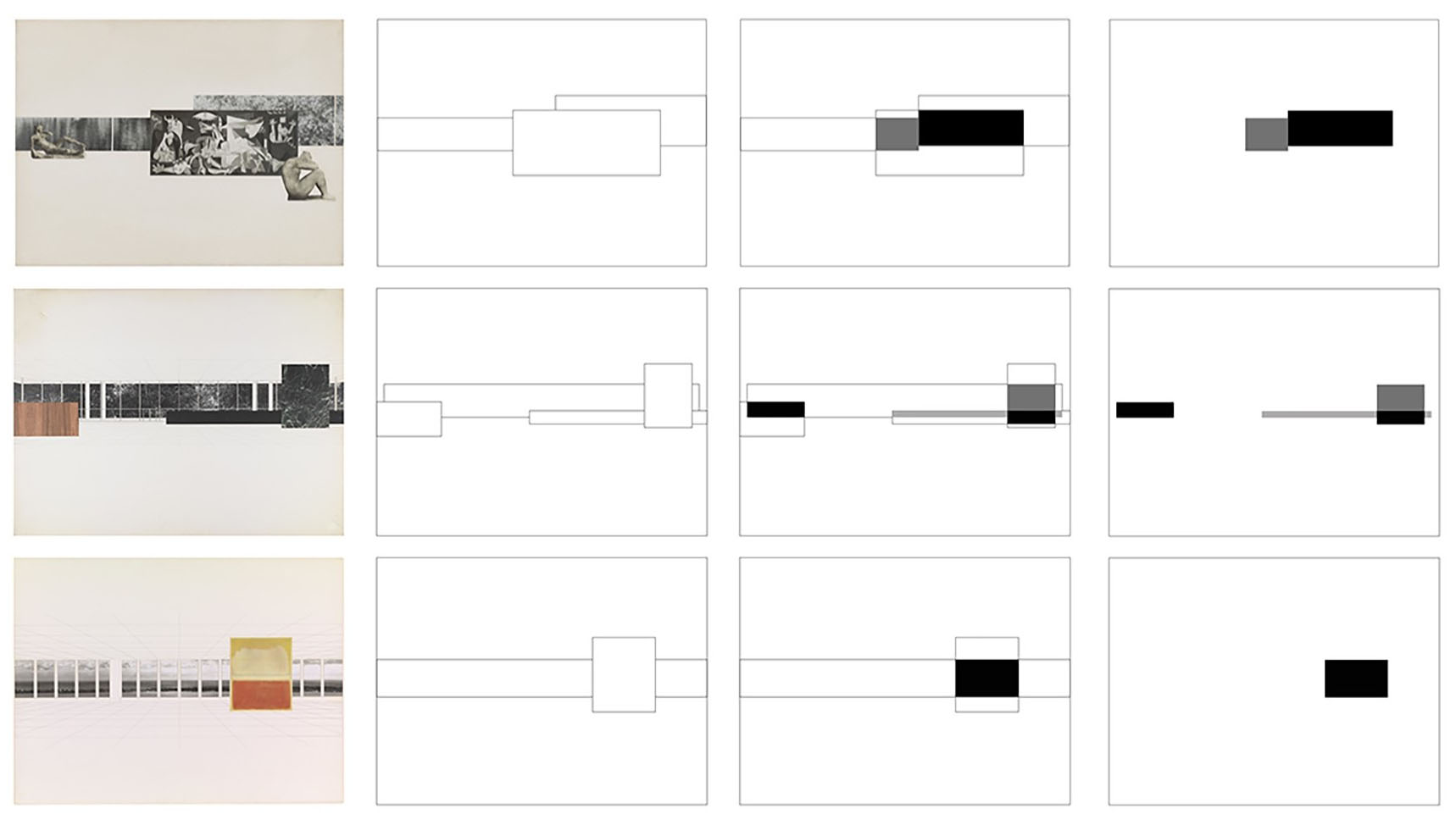
Fig.
3 - L. Mies van der Rohe, Museum for a small town, 1943.
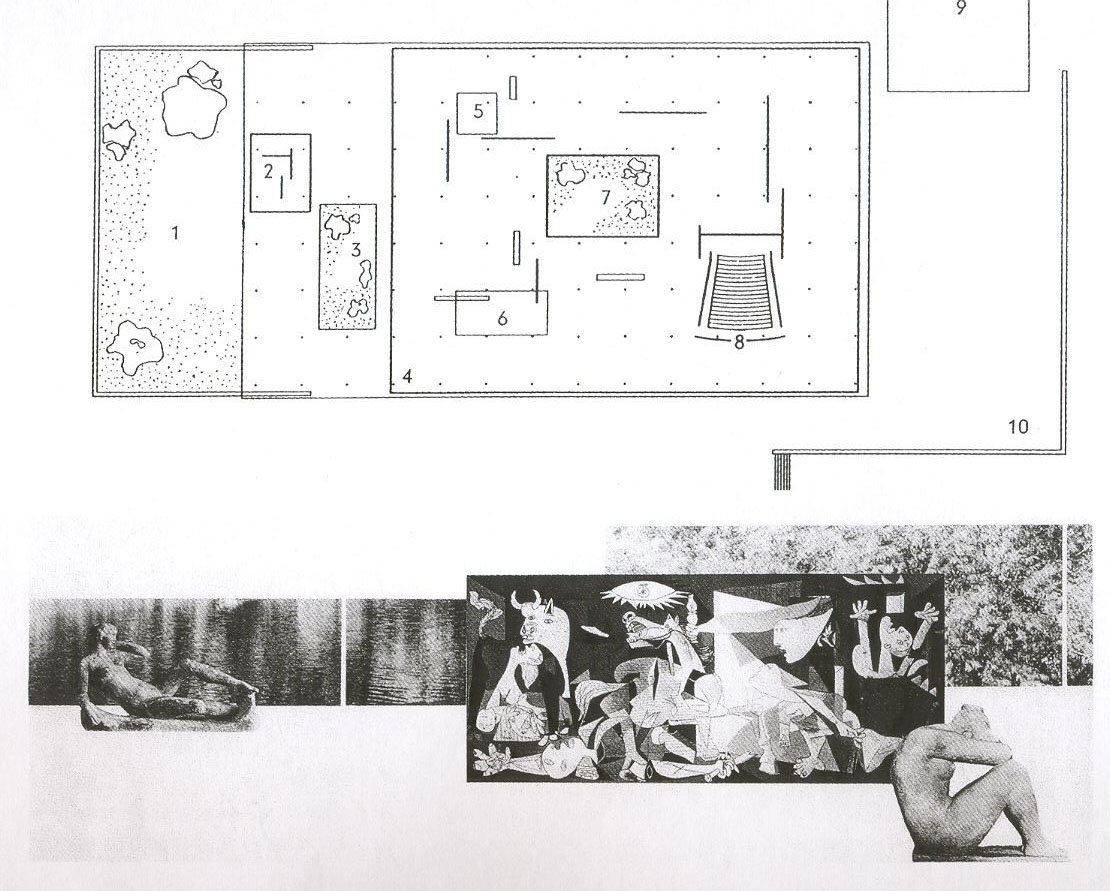
Fig.
4 - L. Mies van der Rohe, Neue Nationalgalerie Berlino, collage, 1962-68.
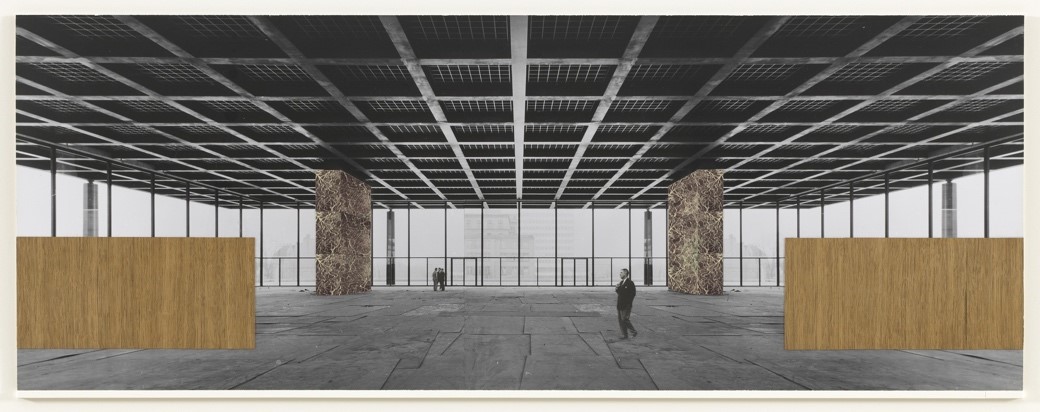
Fig.
5 - L. Mies van der Rohe, Museum for a small town 1940, sequence plans (drawing by C. Sansò).
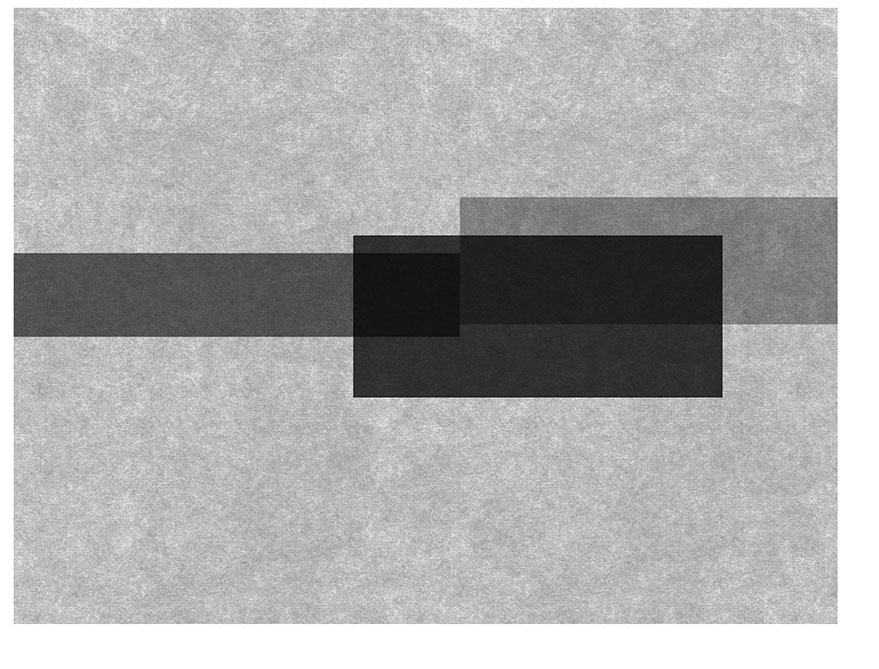
Fig.
6 - L. Mies van der Rohe, Bacardi headquarters 1957, sequence plans (drawing by C. Sansò).
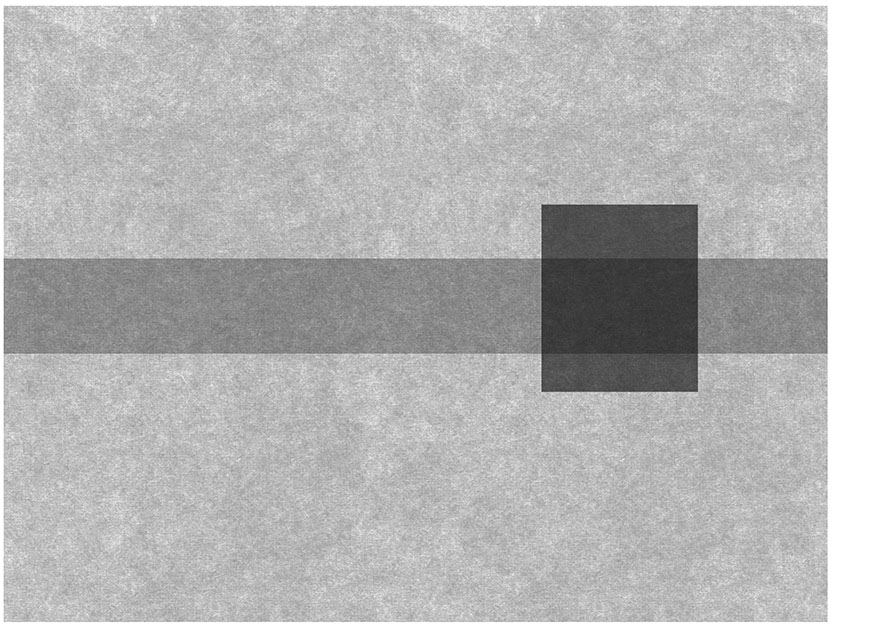
Fig.
7 - L. Mies van der Rohe, Schaefer Museum 1963, sequence plans. (drawing by C. Sansò).
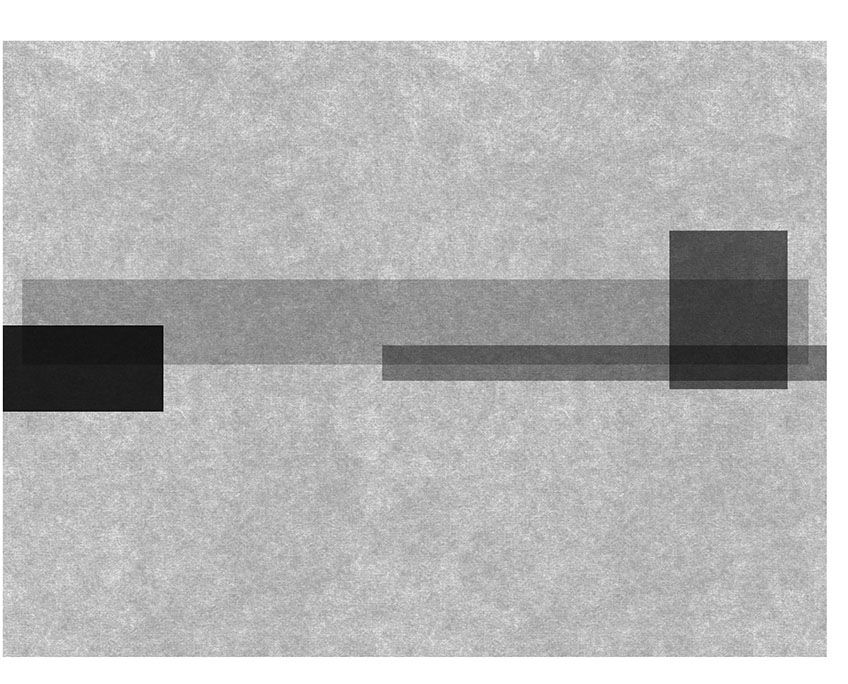
Fig.
8 - L. Mies van der Rohe, German Pavilion at the Brussels Expo 1954_ interpretive redesign (drawing by G. Di Costanzo).
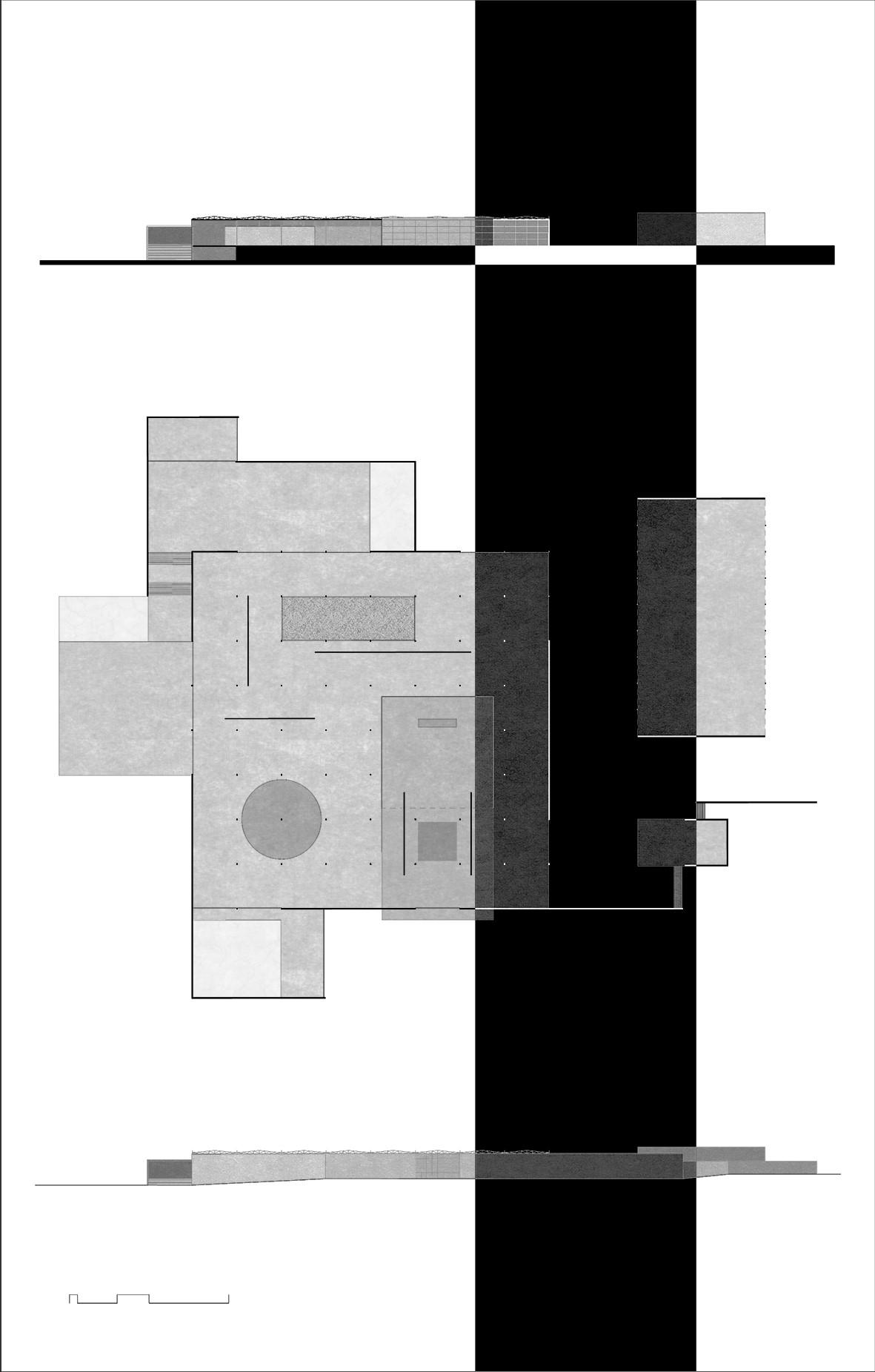
Fig.
9 - L. Mies van der Rohe, Museum for a small town 1940_interpretive drawing (drawing by G. Di Costanzo).
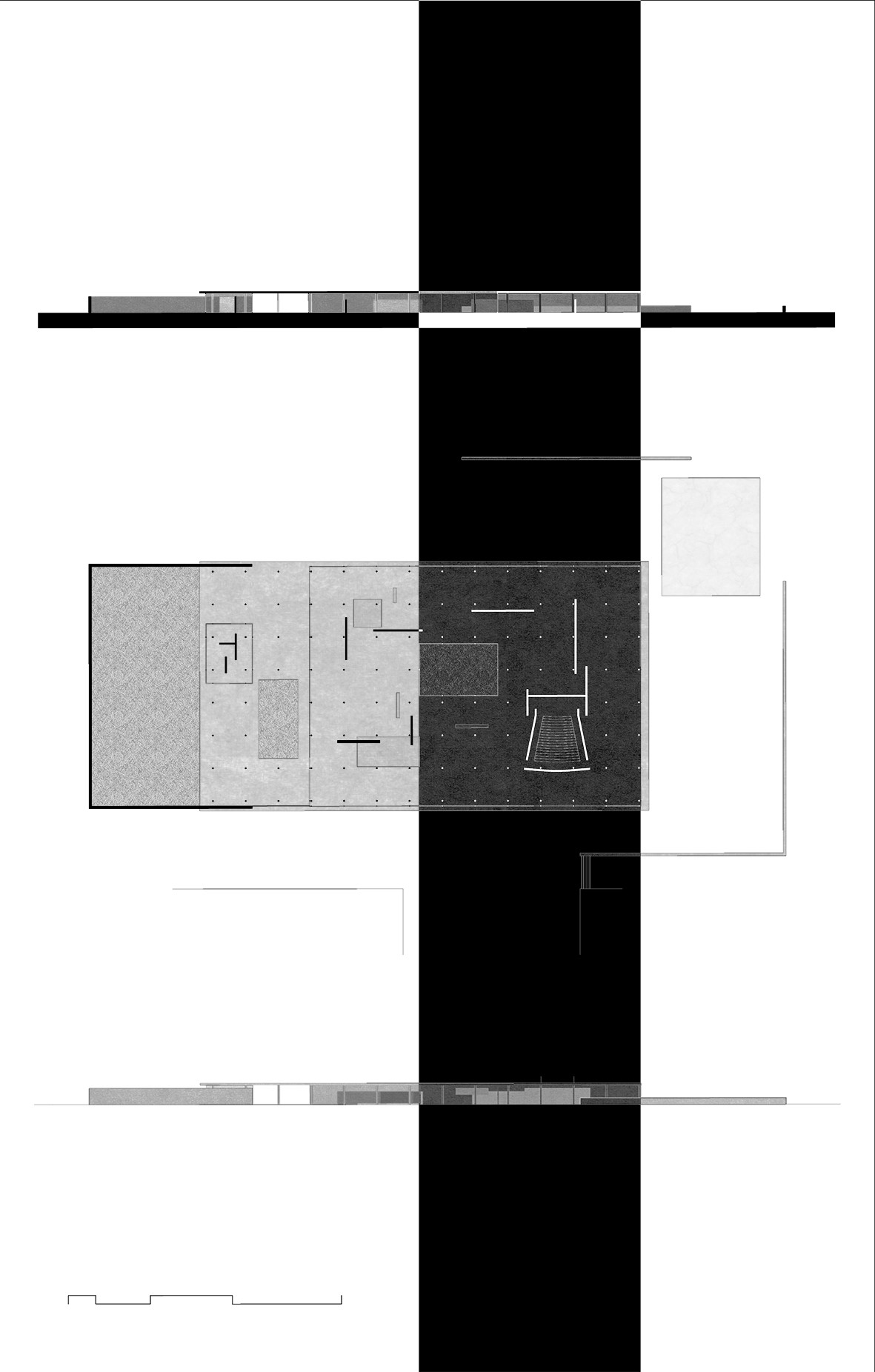
Fig.
10 - L. Mies van der Rohe, Neue Nationalgalerie_interpretive drawing (drawing by G. Di Costanzo).
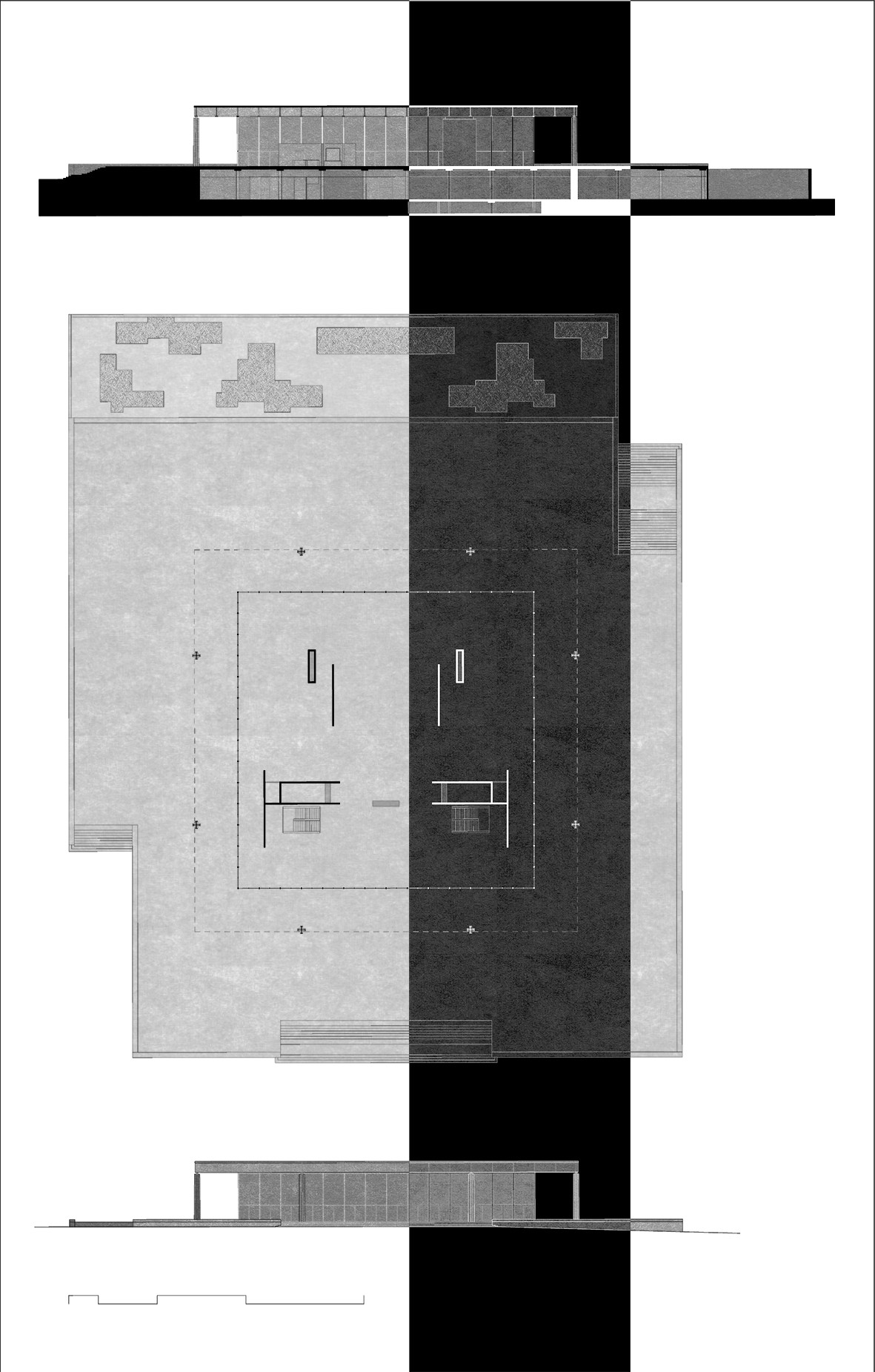
Fig.
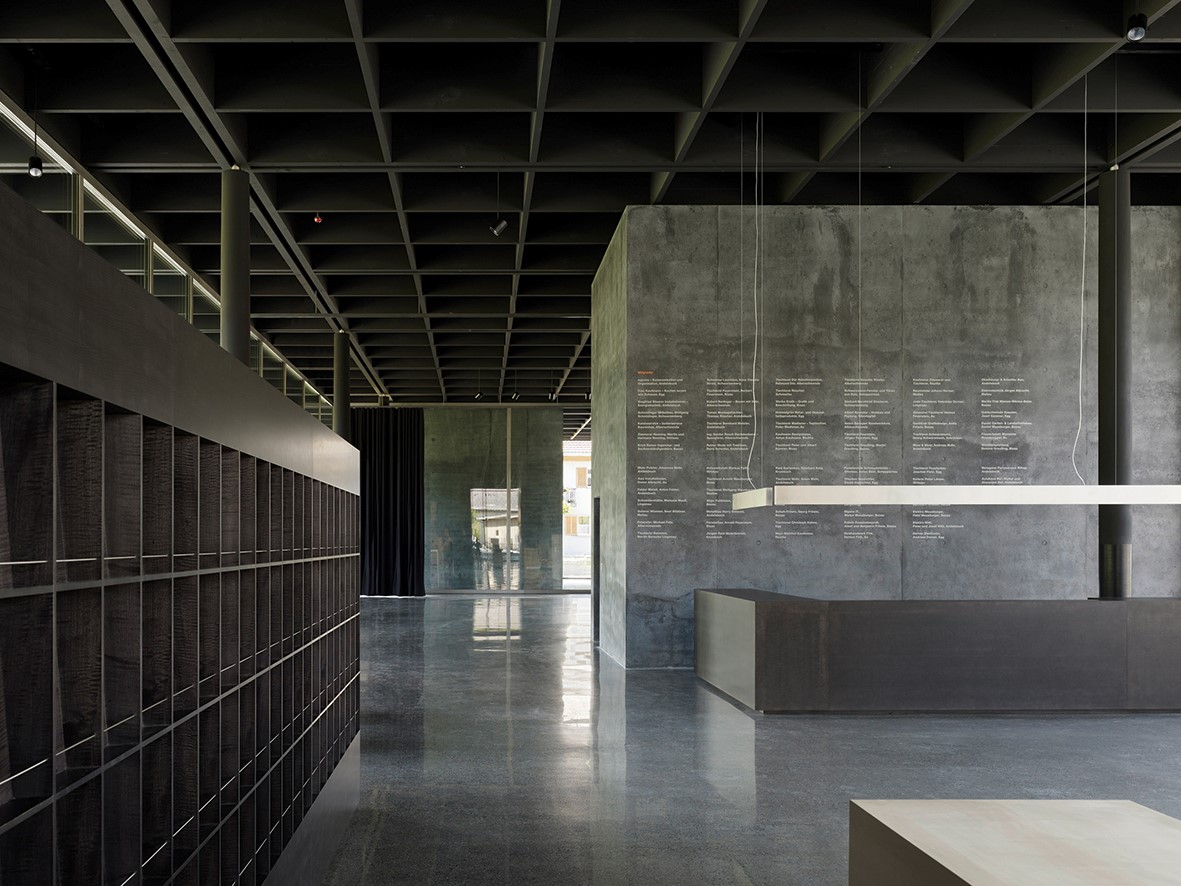
11 - P. Zumthor, Werkraum, Andelsbuch, 2013.
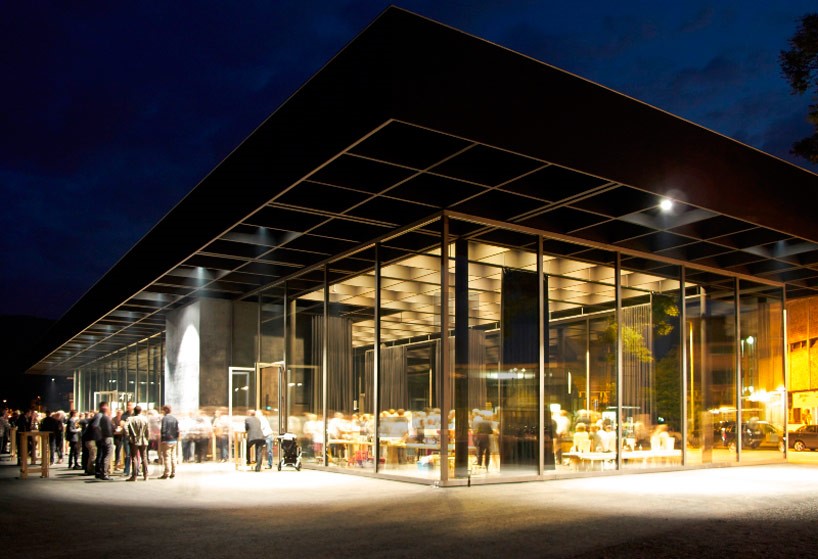
Fig.
12 - P. Zumthor, Werkraum, Andelsbuch, 2013, interpretative redesign (drawing by G. Di Costanzo).
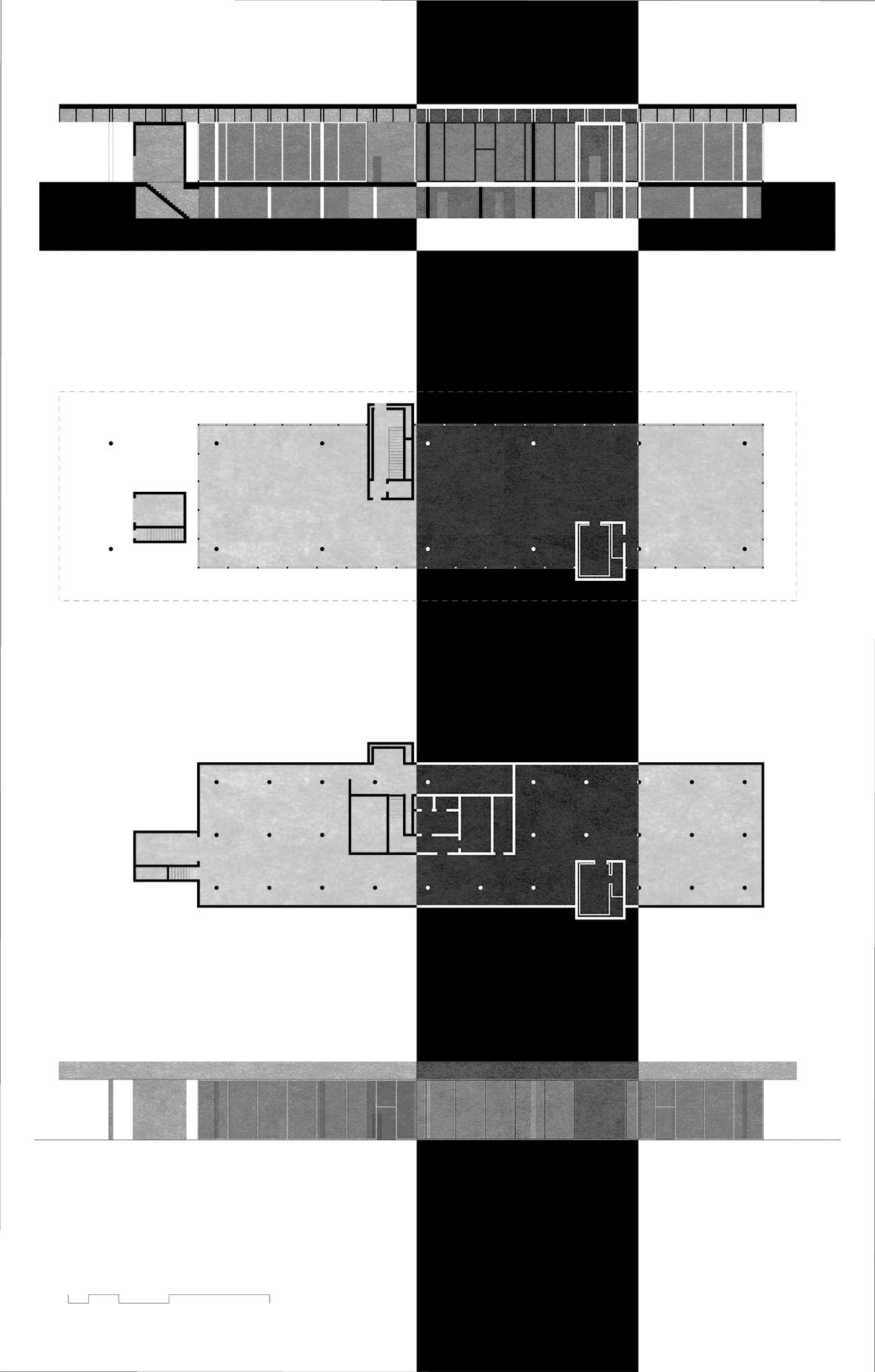
Fig.
13 - P. Zumthor, Werkraum, Andelsbuch, 2013.
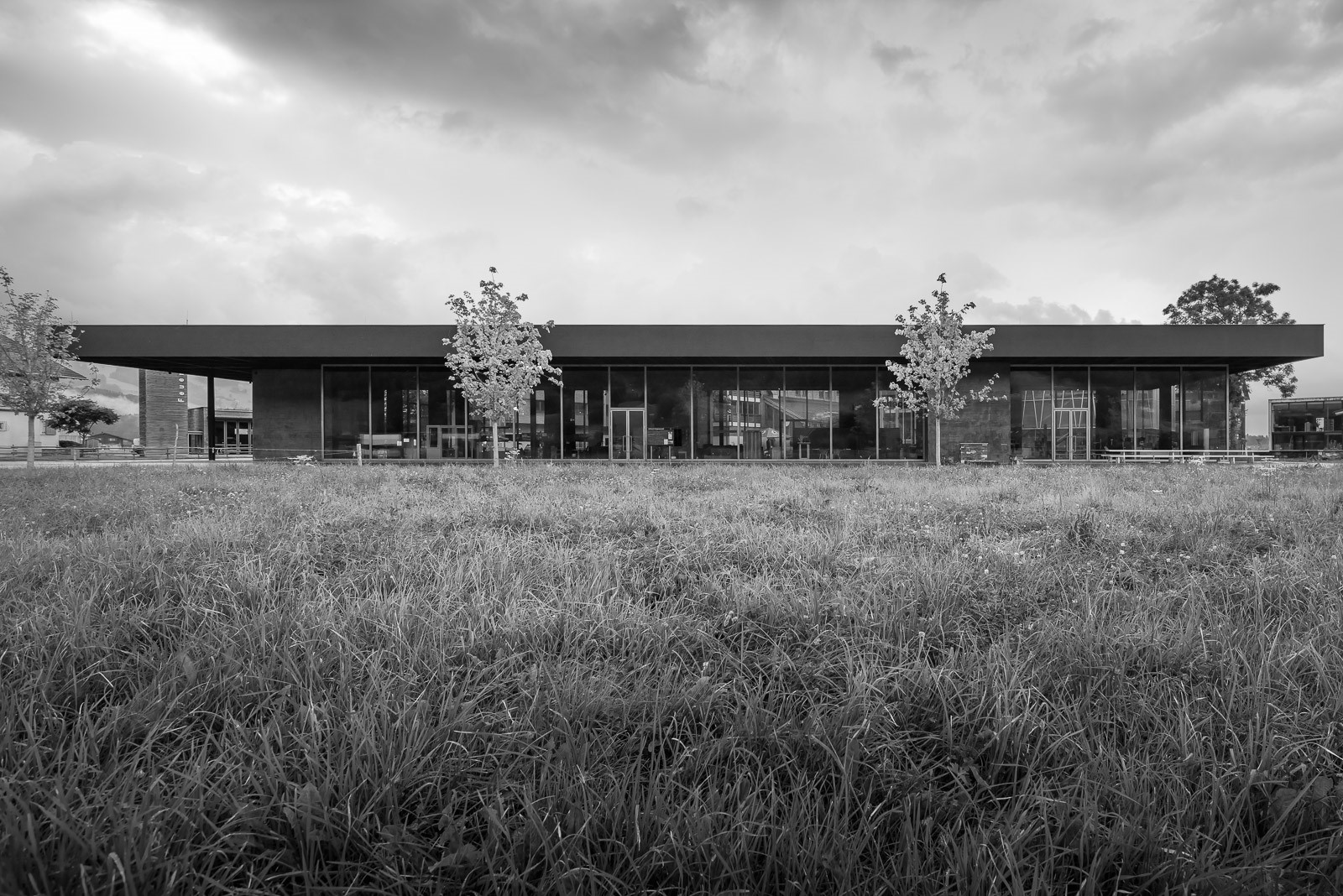
Fig.
14 - P. Zumthor, Werkraum, Andelsbuch, model, 2013.
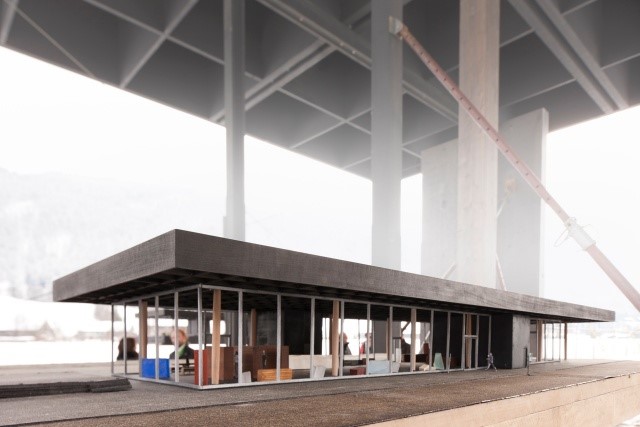
Fig.
15 - P. Zumthor, Werkraum, Andelsbuch, 2013.